Selecting an Outdoor Dehumidifier That Fits Your Needs
Understanding Outdoor Dehumidifiers
What is an Outdoor Dehumidifier?
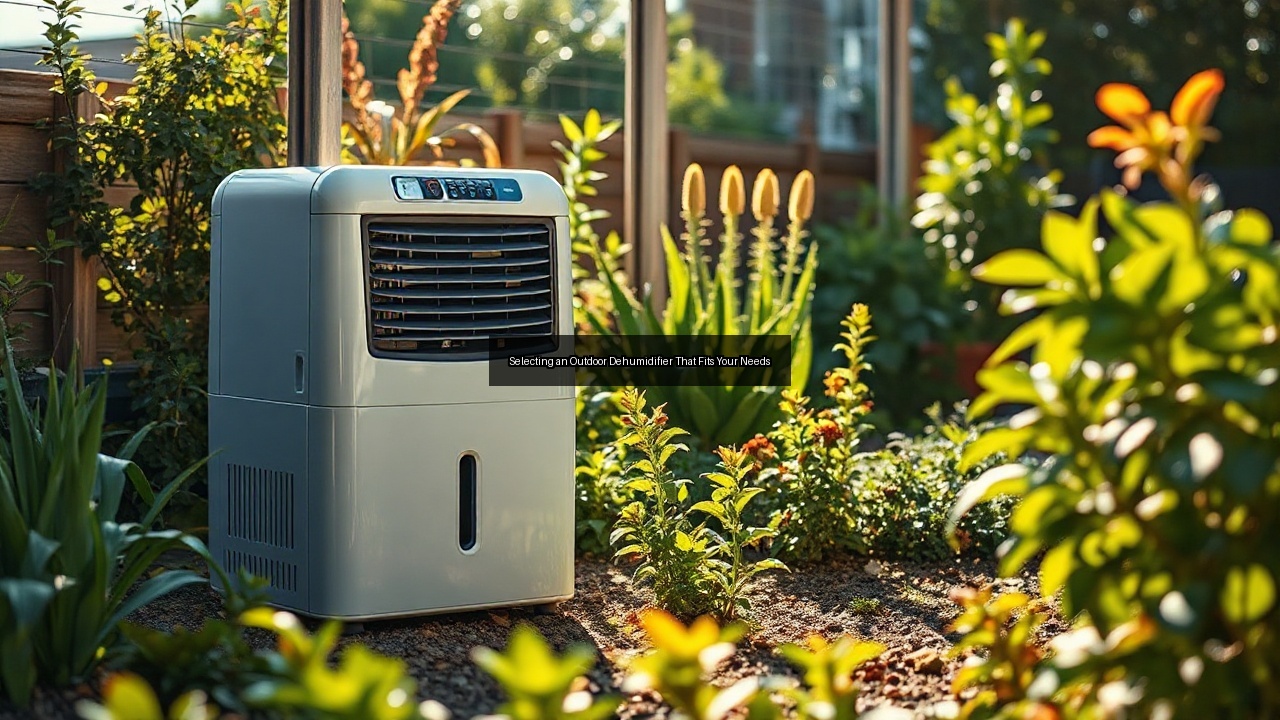
An outdoor dehumidifier is a specialized appliance designed to reduce humidity levels in outdoor spaces, such as patios, garages, and basements. These units efficiently extract excess moisture from the air, combating issues like mold, mildew, and rust. Outdoor dehumidifiers differ from standard indoor models by being built to withstand various weather conditions while still maintaining optimal performance. With the right outdoor dehumidifier, you can create a more comfortable environment and protect your property from moisture damage.
How Outdoor Dehumidifiers Work
Outdoor dehumidifiers operate primarily through two main methods: condensation and desiccation. The condensation method employs a fan to draw in humid air, which then passes over cold coils, causing moisture in the air to condense. This collected moisture drains into a tank or through a hose. On the other hand, desiccant dehumidifiers use a moisture-absorbing material to extract humidity from the air, making them particularly effective in cooler temperatures. Understanding these mechanisms helps you choose the right outdoor dehumidifier for your specific needs.
Importance of Dehumidification in Humid Climates
In humid climates, high levels of moisture can lead to various problems for your property and health. Excess humidity promotes mold growth, which can damage structures and pose health risks. High humidity can also cause rust and corrosion on outdoor equipment and furniture. Using an outdoor dehumidifier mitigates these issues by maintaining optimal humidity levels, typically between 30% and 50%. This not only protects your possessions but also enhances comfort by reducing the muggy feeling often associated with high humidity.
Key Features to Consider
Capacity and Gallons: Choosing the Right Size
Selecting the right capacity for your outdoor dehumidifier is crucial for effective moisture removal. Dehumidifiers are usually rated by how many gallons of moisture they dehumidification system can extract from the air in 24 hours. For smaller outdoor spaces, a unit with a capacity of 30 to 50 pints of moisture per day may suffice. However, larger outdoor areas or those with extreme humidity might require a high-capacity dehumidifier that can extract 70 pints or more daily. Consider the size of your space and the typical humidity levels when making your choice to ensure optimal efficiency.
Energy Efficiency: Energy Star Ratings and Electricity Costs
Energy efficiency plays a significant role in the long-term costs of operating an outdoor dehumidifier. Look for models that feature Energy Star ratings, which indicate that the unit meets energy efficiency guidelines set by the U.S. Environmental Protection Agency. An energy-efficient dehumidifier not only saves on electricity costs but also benefits the environment. Compare the wattage and electricity consumption of different models to find the best balance between performance and energy use. This consideration is especially important for outdoor dehumidifiers that may run for extended periods.
Compressor vs. Desiccant Dehumidifiers
When choosing an outdoor dehumidifier, consider whether a compressor or desiccant model better fits your needs. Compressor dehumidifiers work best in warm, humid conditions and are generally more efficient in these environments. They operate quietly and effectively, making them a popular choice for residential use. Desiccant dehumidifiers, on the other hand, excel in cooler and drier conditions. They are lightweight and portable, making them ideal for temporary or seasonal use. Evaluate your climate and specific requirements to make an informed choice between these two types of dehumidifiers.
Installation and Maintenance Tips
Proper Placement for Maximum Efficiency
Strategic placement of your outdoor dehumidifier significantly impacts its performance. Position the unit where it can draw in air freely without obstructions from walls, foliage, or other structures. Ideally, place it in an open area that allows for proper airflow, ensuring that the unit can effectively circulate and dehumidify the surrounding space. Avoid placing the dehumidifier in direct sunlight, as excessive heat can reduce its efficiency. Proper placement not only enhances performance but also prolongs the life of the unit.
Ducted vs. Non-Ducted Systems
Choosing between a ducted and non-ducted outdoor dehumidifier system can impact installation complexity and overall performance. Ducted systems integrate with existing HVAC ductwork, allowing for centralized humidity control across multiple rooms and outdoor areas. This option provides comprehensive coverage but requires professional installation and may involve higher upfront costs. Non-ducted systems are standalone units that can be placed in specific areas needing dehumidification. They are easier to install and maintain, making them a suitable option for those looking for flexibility and lower initial investment.
Regular Maintenance for Longevity
Choosing the Right Dehumidifier for Your Needs
Comparing Residential and Industrial Outdoor Dehumidifiers
When selecting an outdoor dehumidifier, understanding the differences between residential and industrial models is essential. Residential dehumidifiers are designed for home use and typically have lower capacities, making them suitable for patios, basements, and garages. They tend to be quieter and less expensive, focusing on comfort and moisture control for personal spaces. In contrast, industrial outdoor dehumidifiers are built for heavy-duty use in commercial settings. They feature larger capacities, robust construction, and higher moisture extraction rates, making them ideal for warehouses, factories, or large outdoor events requiring rigorous moisture management.
Warranty and Support Considerations
Before purchasing an outdoor dehumidifier, evaluate the warranty dehumidified and customer support options provided by the manufacturer. A solid warranty protects your investment, covering potential repairs or replacements due to defects. A longer warranty period indicates confidence in the product's durability. In addition to warranty coverage, consider the availability of customer support. Research the manufacturer's reputation for service quality, responsiveness, and ease of obtaining replacement parts. Reliable support can save you headaches down the line, ensuring your outdoor dehumidifier operates efficiently for years to come.
Top Outdoor Dehumidifiers on the Market
Several outdoor dehumidifiers stand out for their performance, efficiency, and user satisfaction. Look into models like the Frigidaire FFAD5033W1 and the hOmeLabs 70 Pint Dehumidifier, both of which boast excellent moisture removal capabilities and energy efficiency. For industrial needs, consider the Dri-Eaz LGR 7000XLi, known for its heavy-duty performance and advanced features. Read user reviews and expert opinions to find the best outdoor dehumidifier that meets your specific requirements. Don't forget to compare features, capacities, and prices to make an informed decision.